Our Projects Report
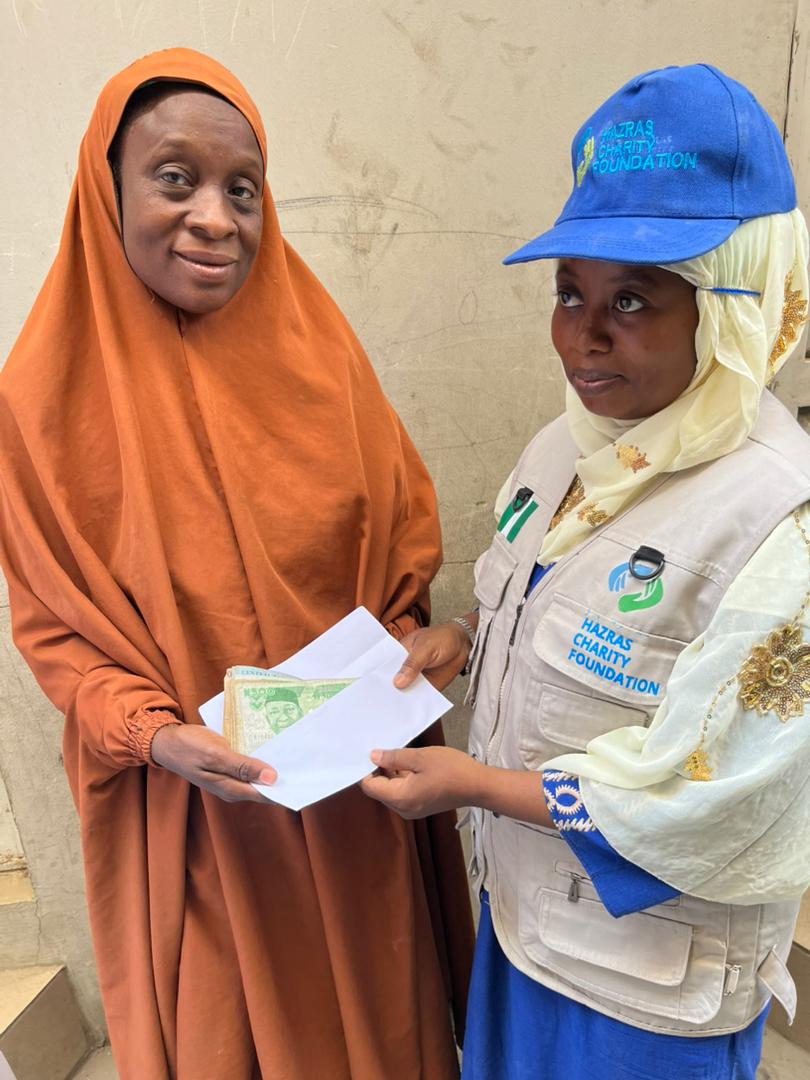
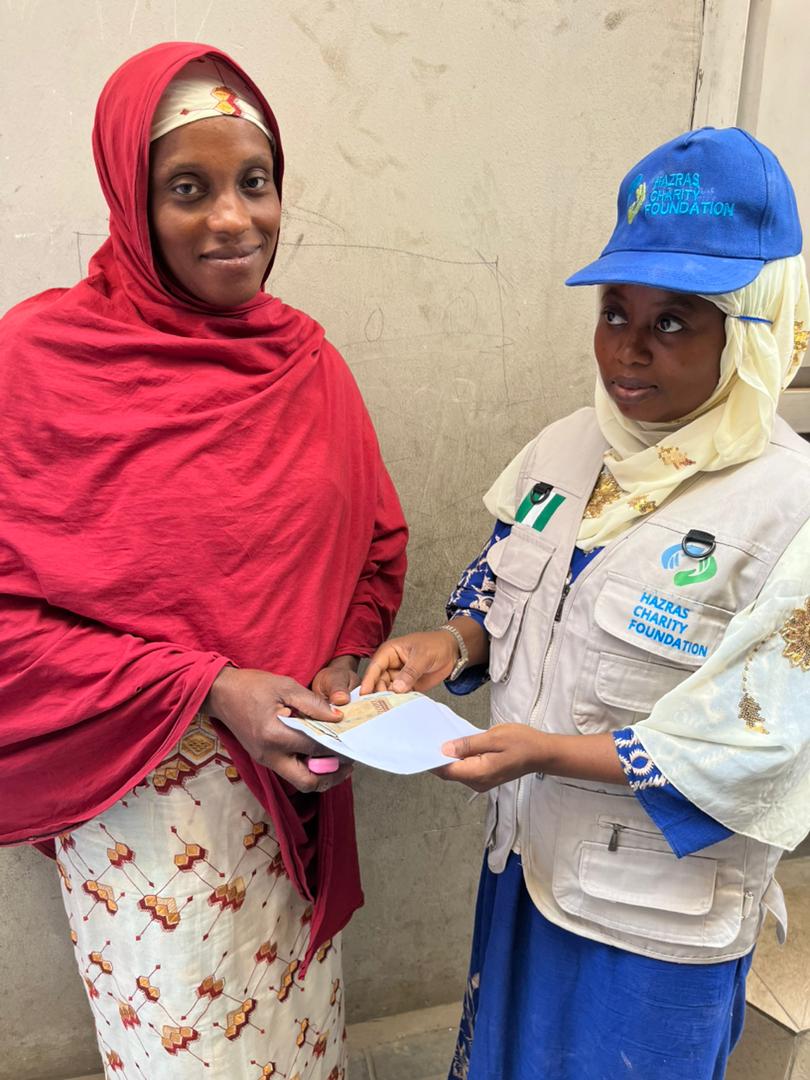
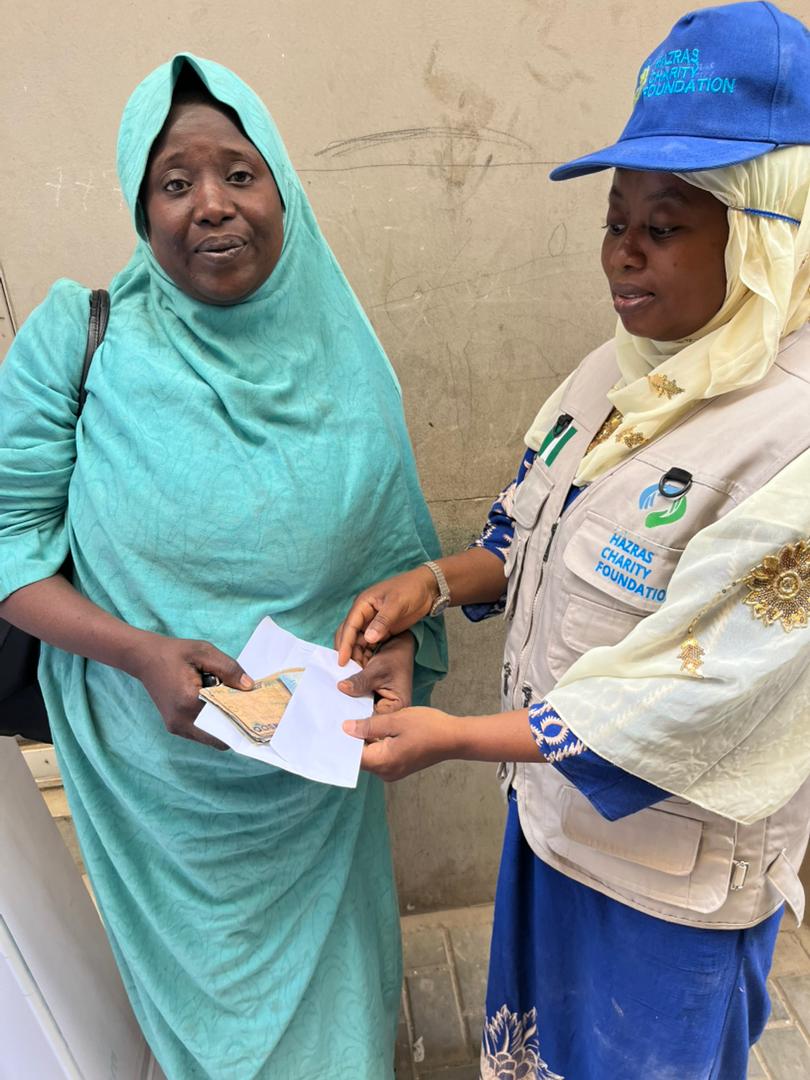
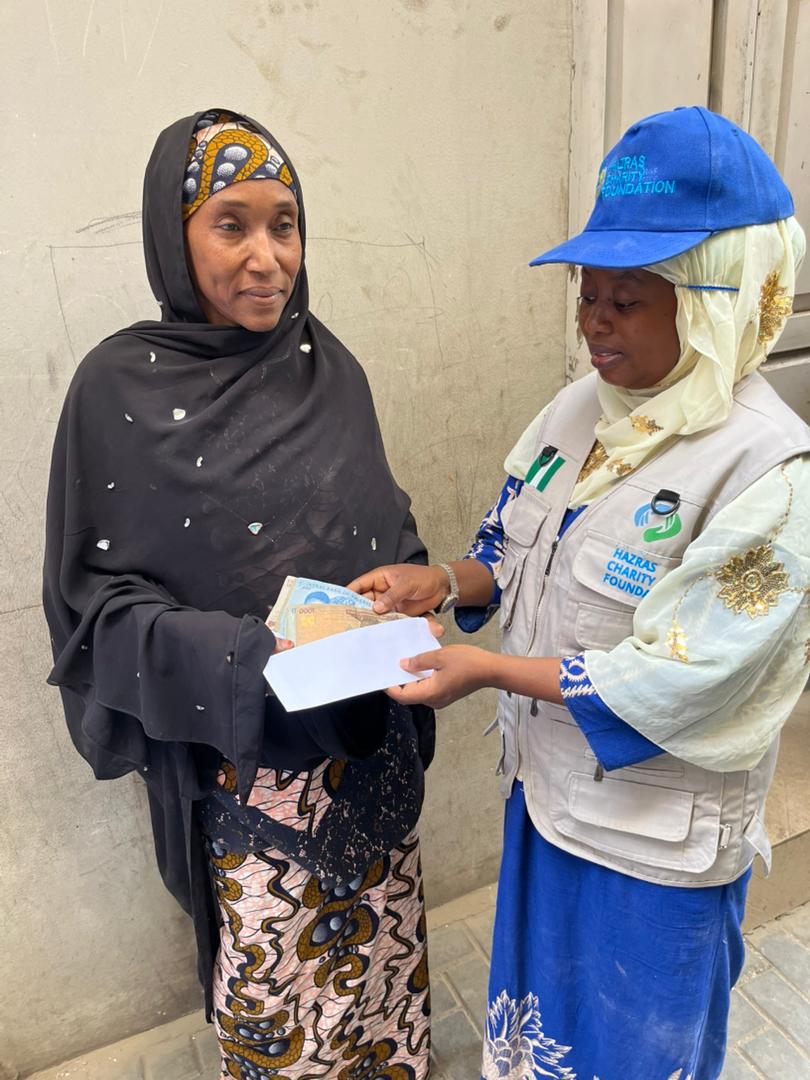
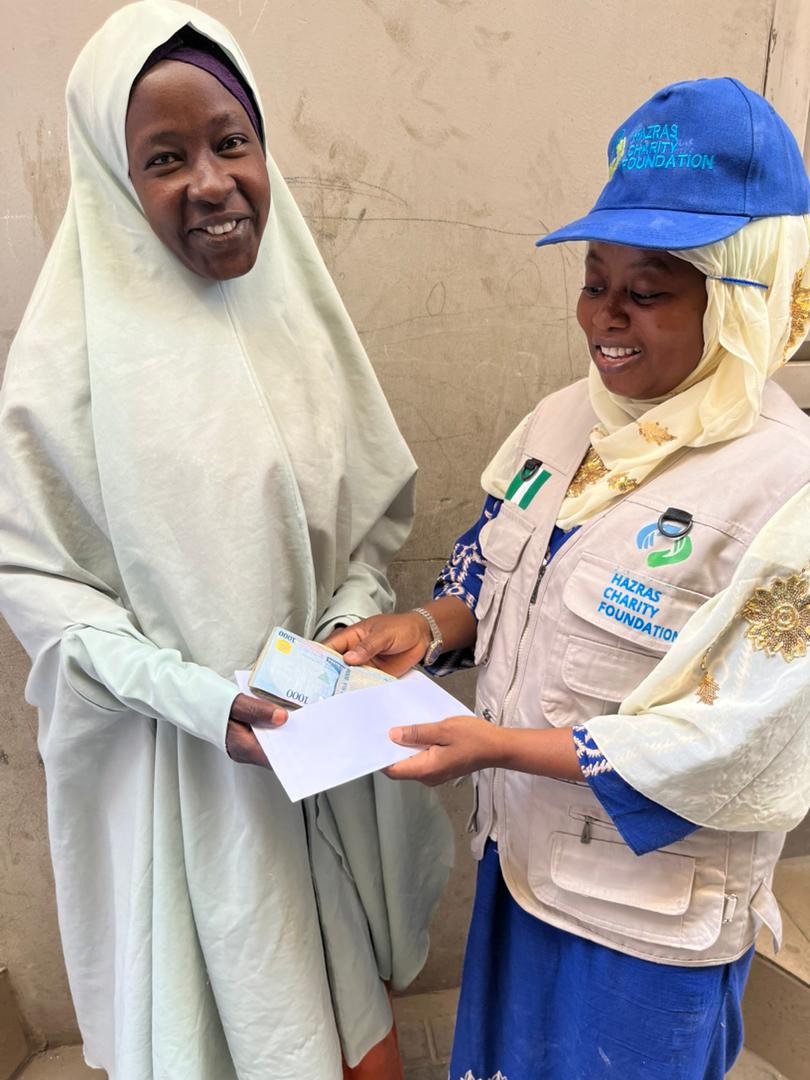
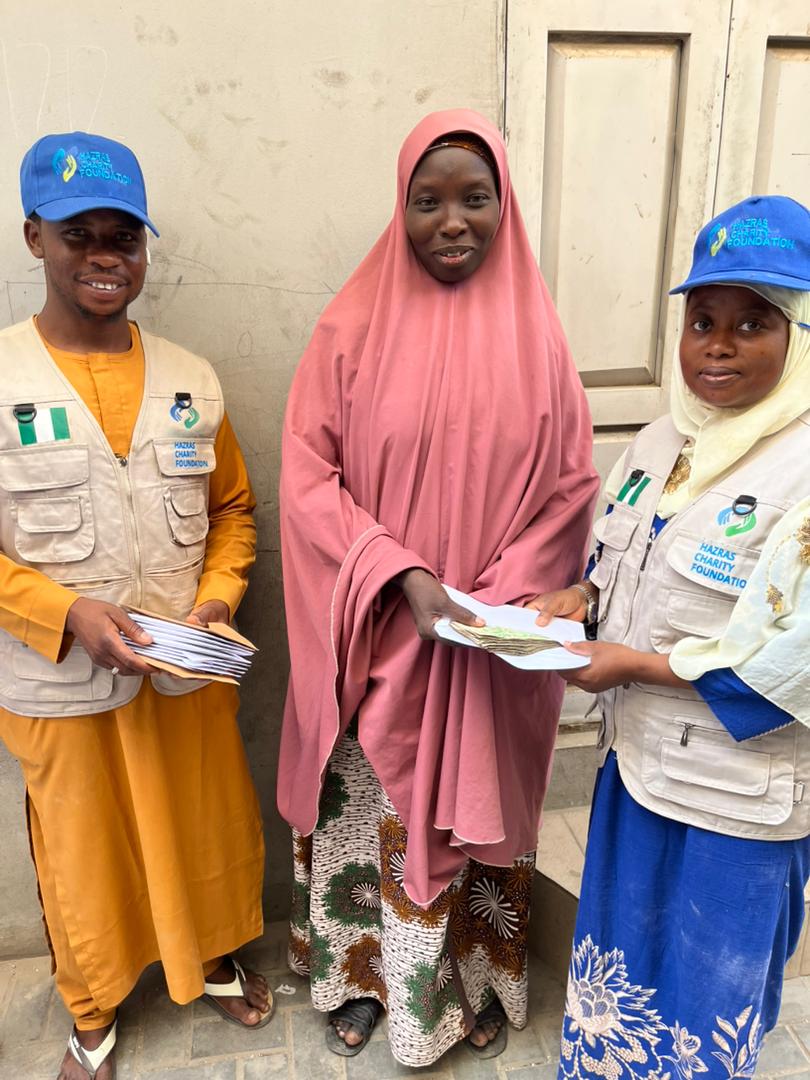
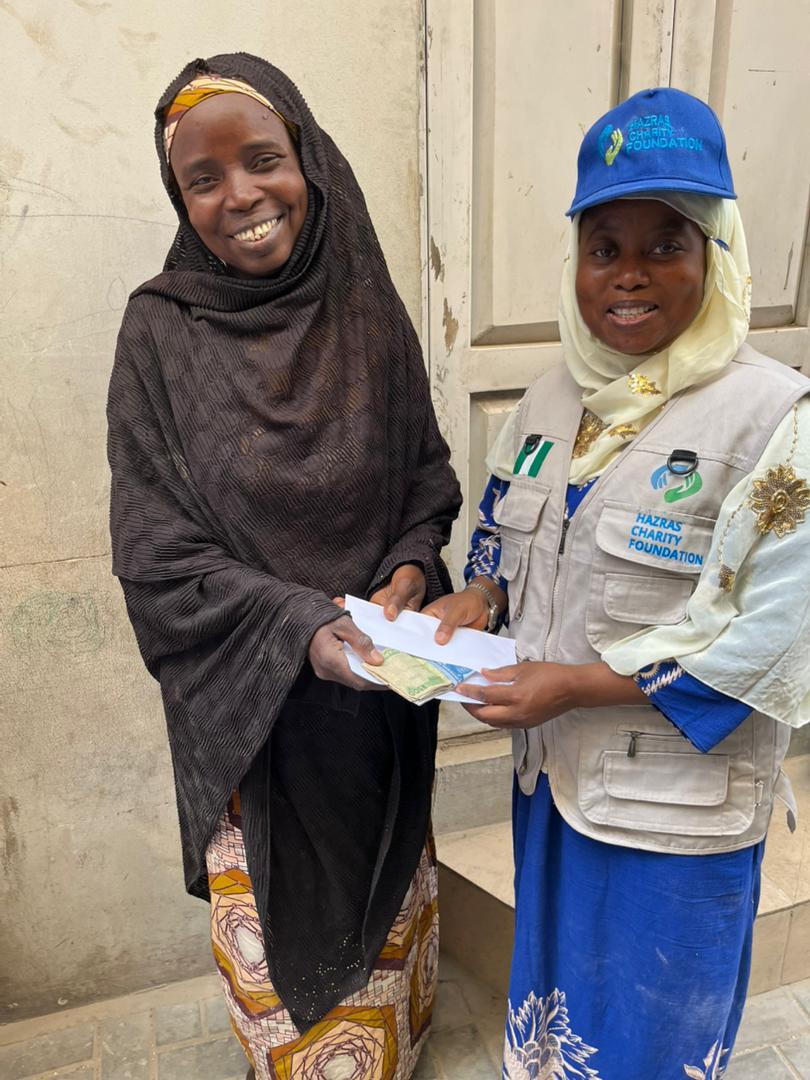
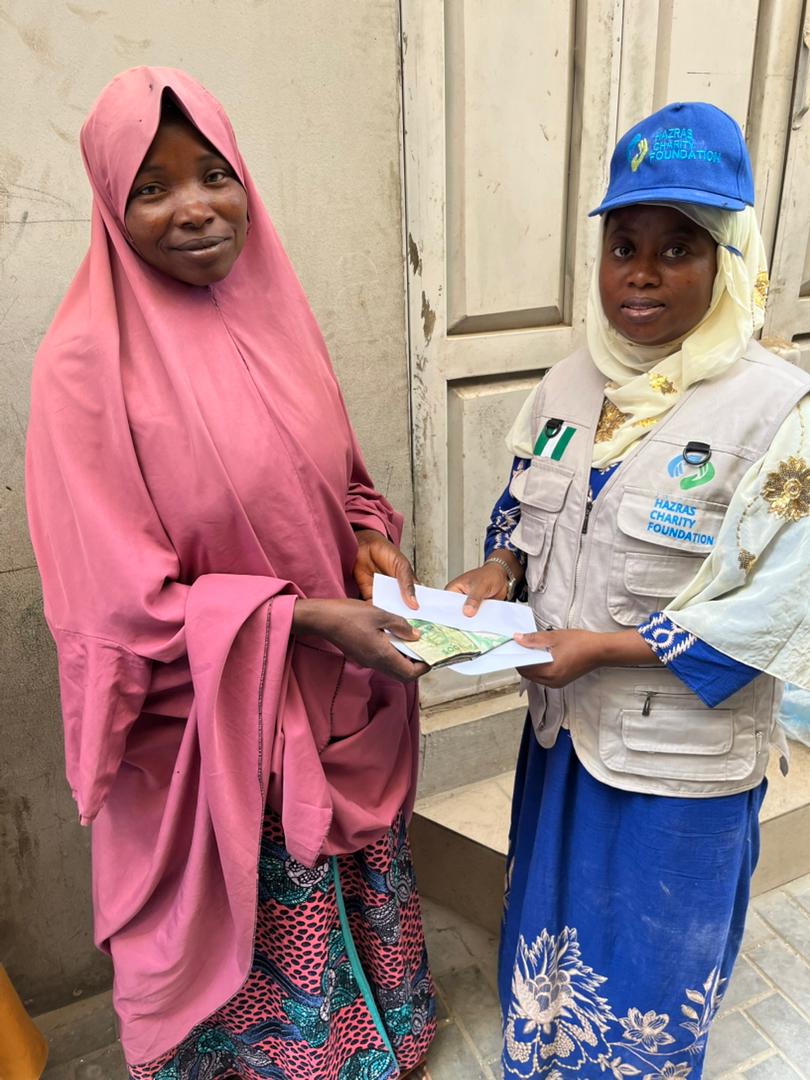
1. Report on Startup Capital Support for Tailoring Trainees
1. Introduction
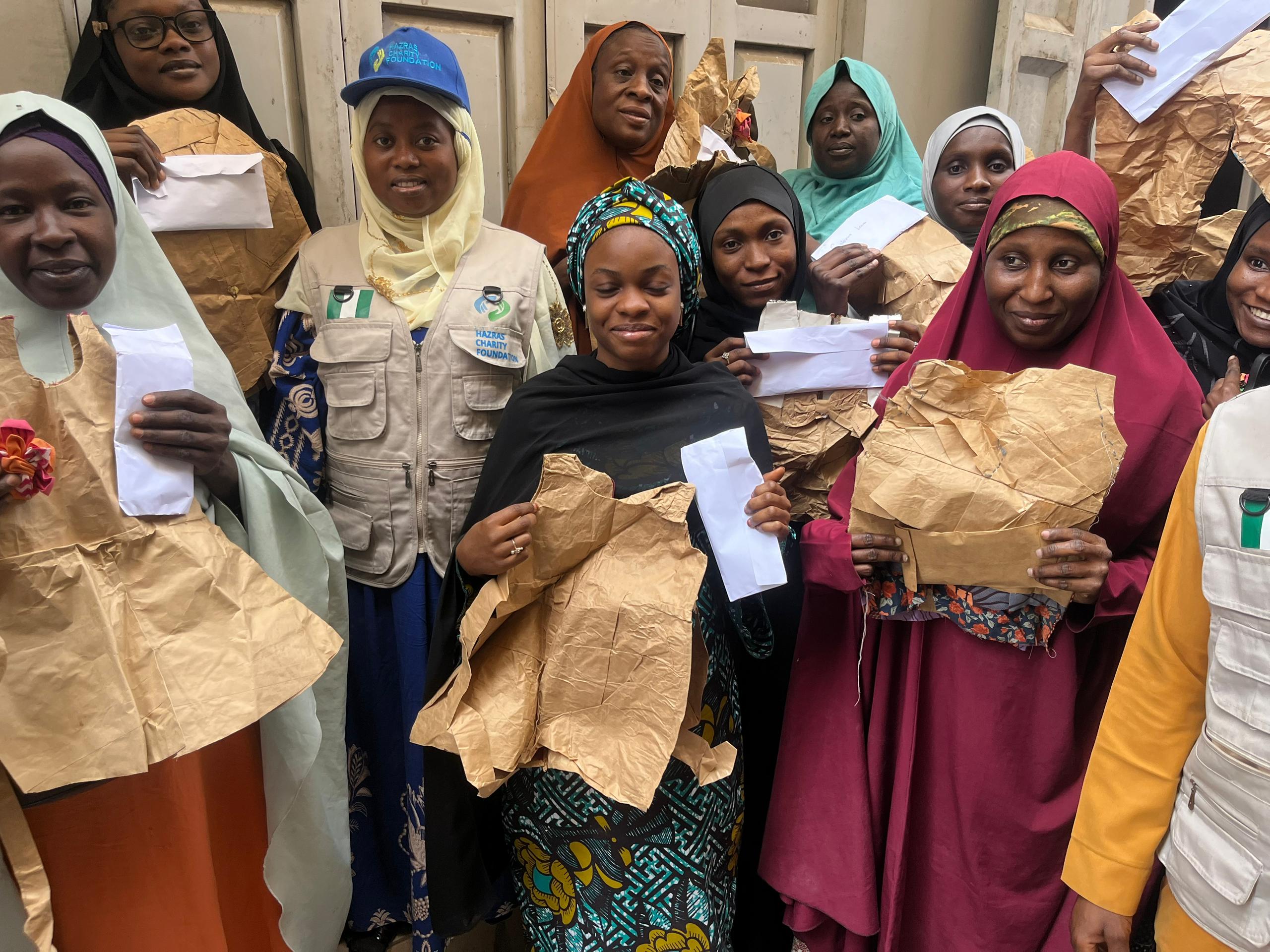
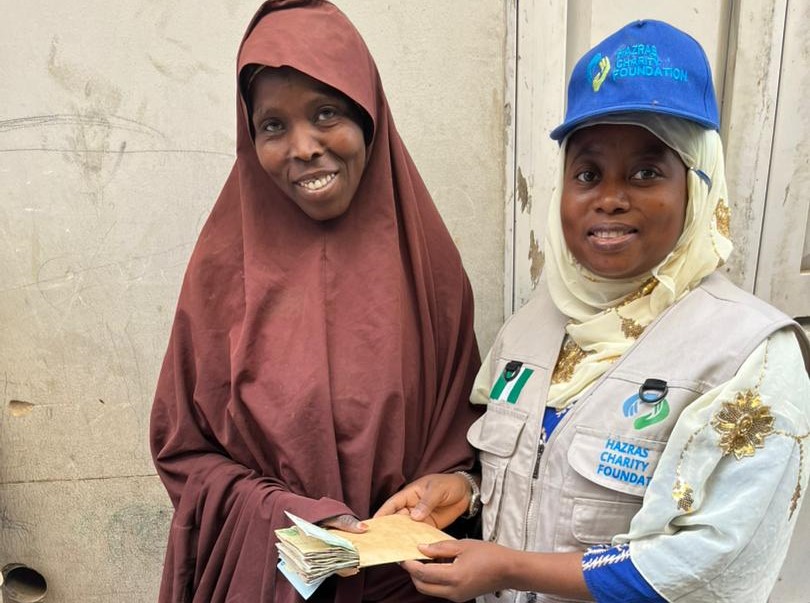
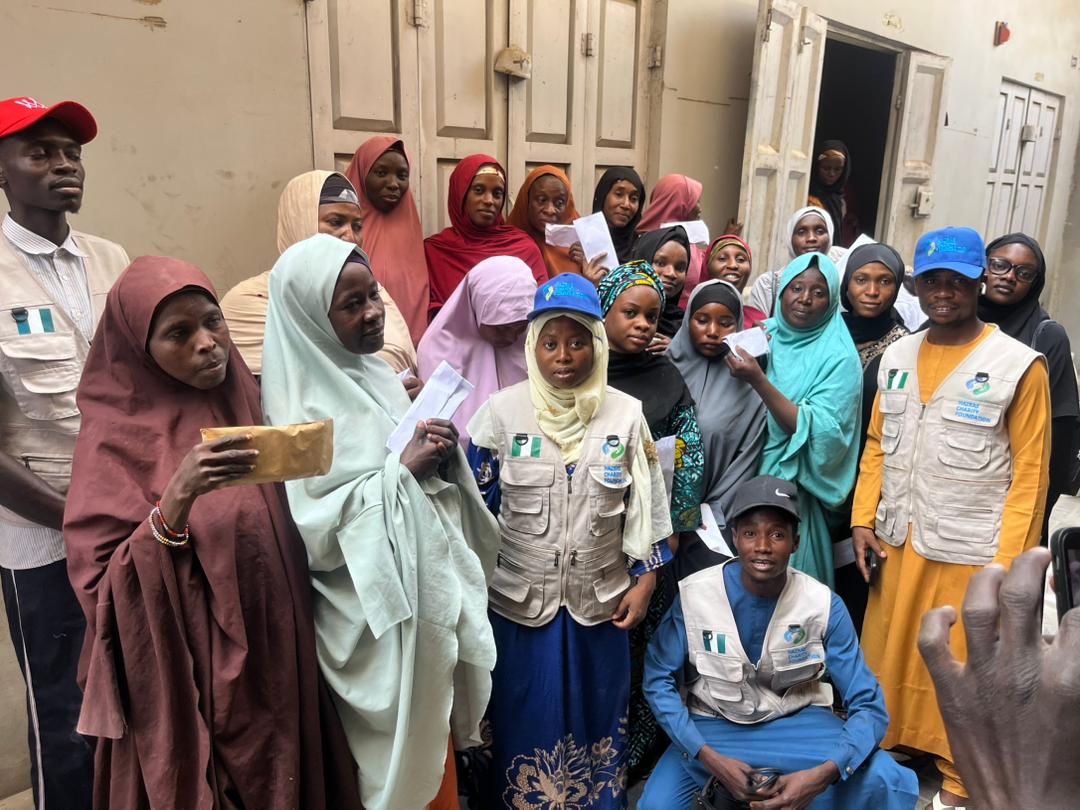
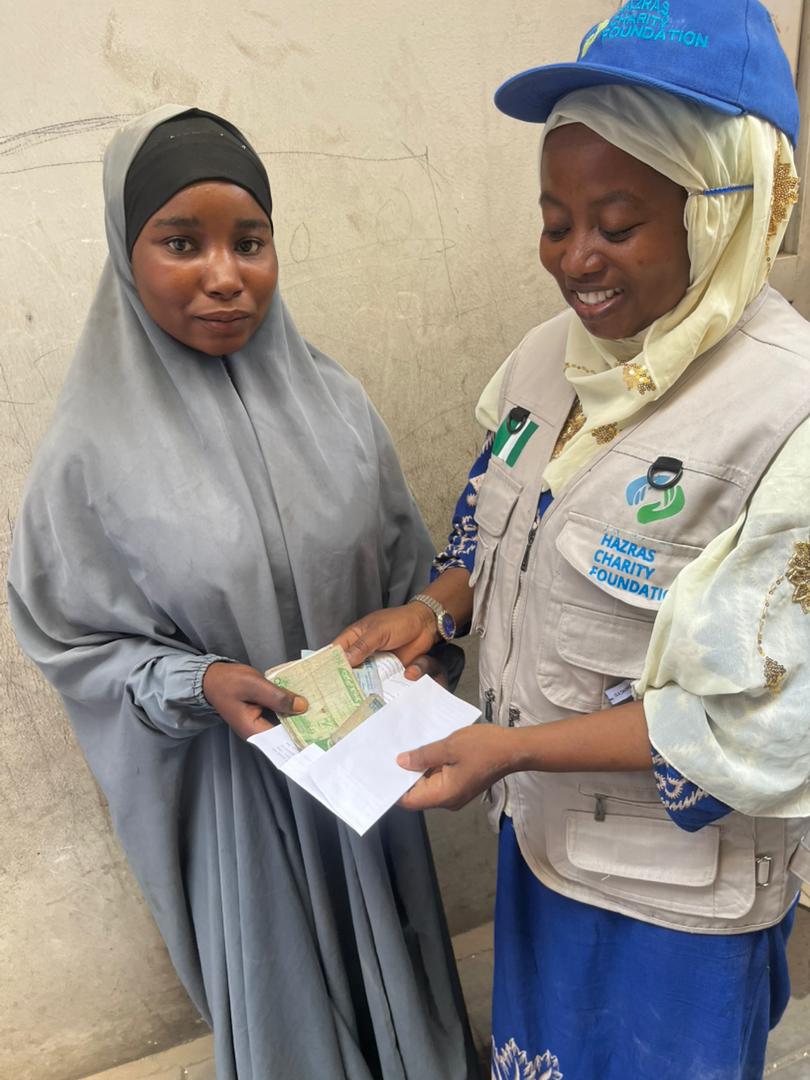
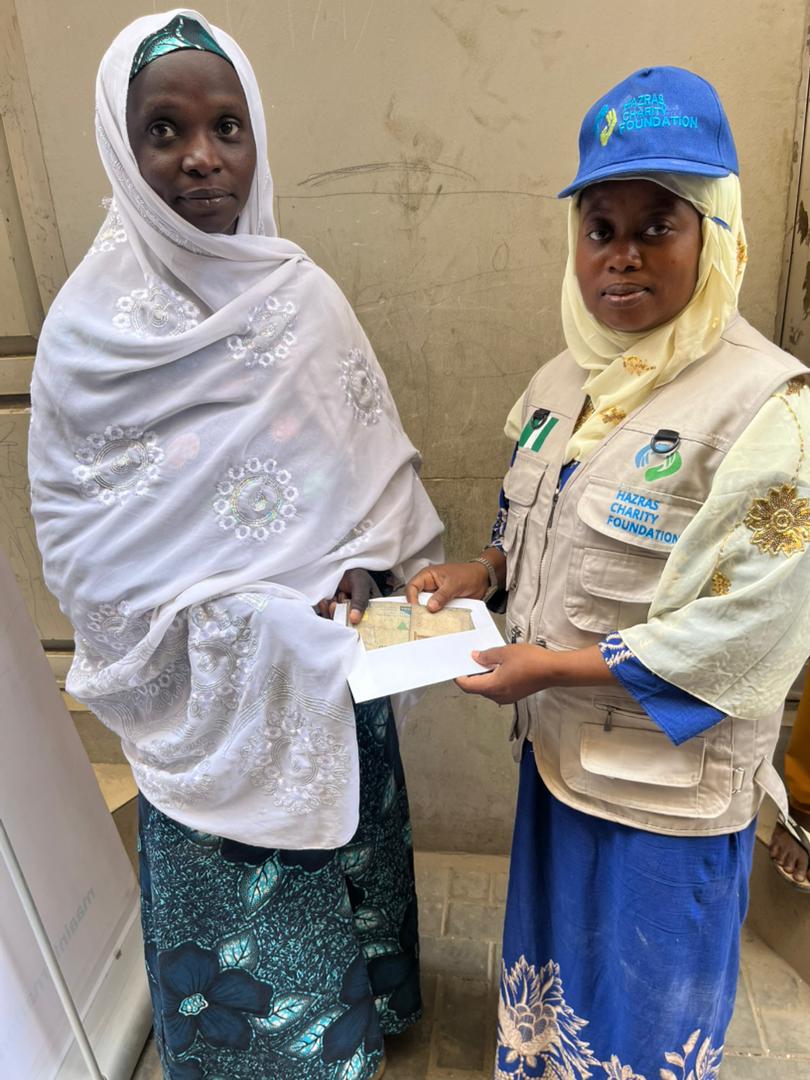
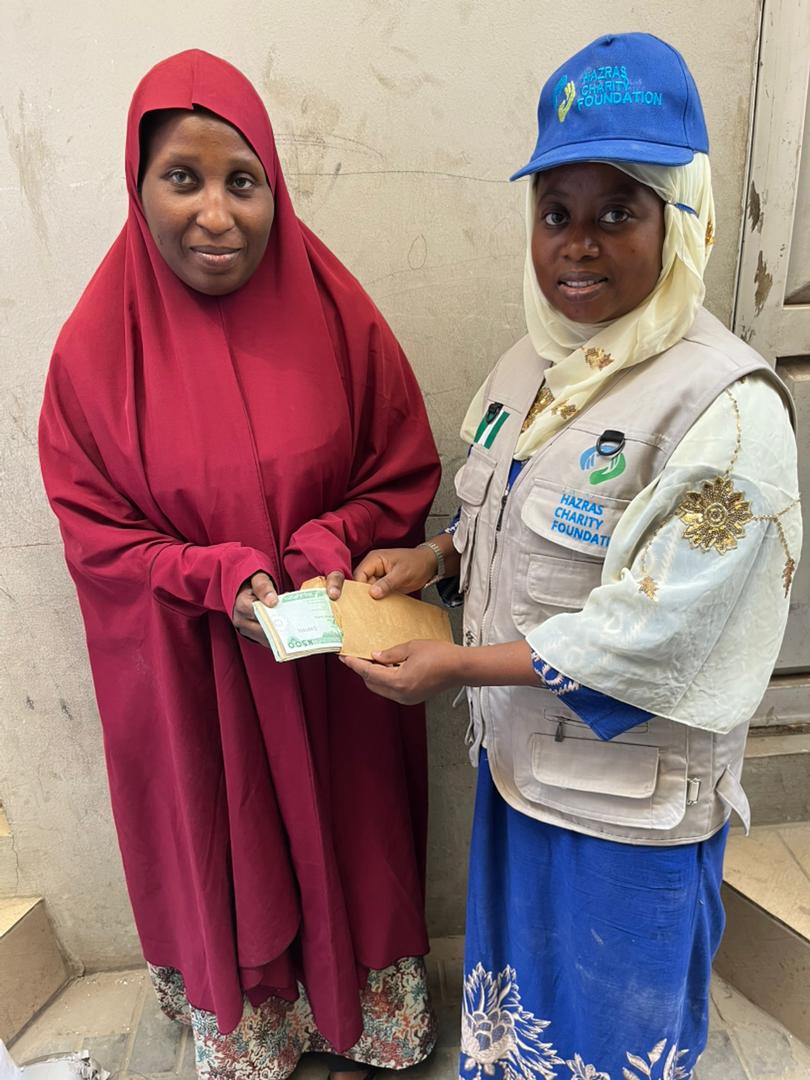
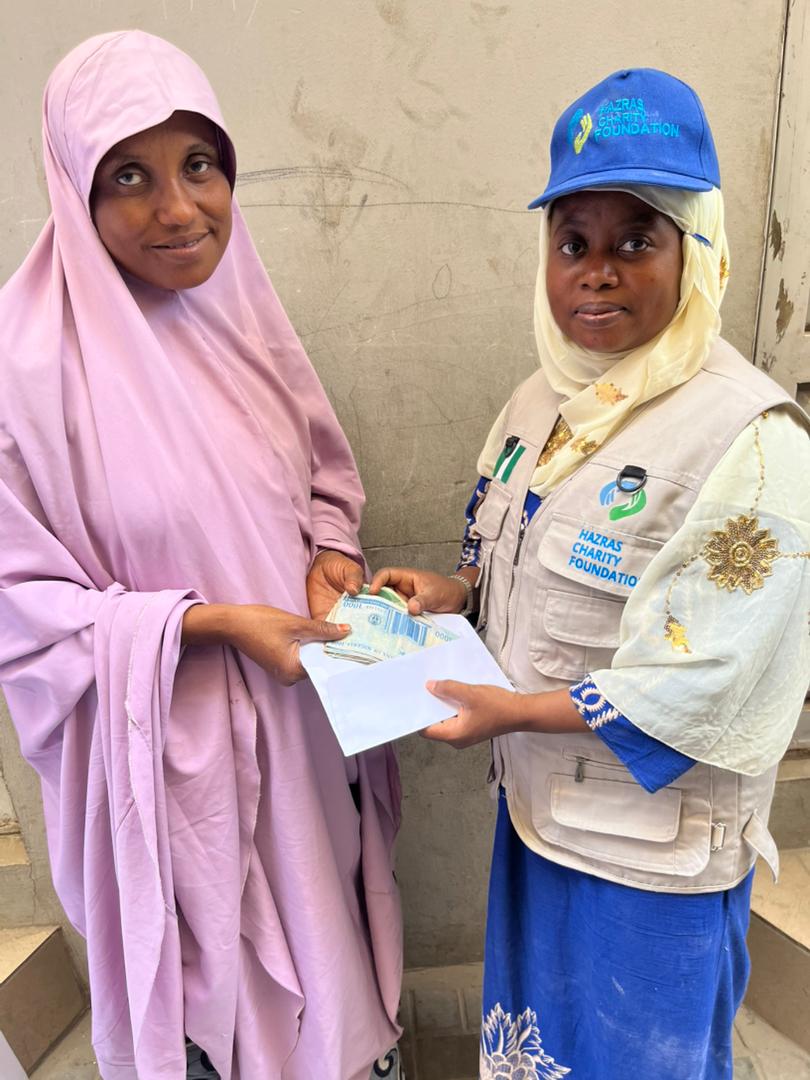
Hazras Charity Foundation (HCF), in alignment with its mission to empower vulnerable individuals and promote sustainable livelihoods, successfully completed a Tailoring Skills Acquisition Training Programme for selected women and orphans. Upon completion of the training, HCF provided startup capital support to qualified beneficiaries to enable them to establish and operate their tailoring businesses independently.
2. Objectives of the Initiative
The startup capital support was designed to:
- Promote economic self-reliance among women and orphans
- Reduce poverty and social dependency
- Encourage entrepreneurship and effective skill utilization
- Enhance household income generation
- Support long-term community development
3. Beneficiaries
The beneficiaries of this initiative included:
- Women from low-income households
- Vulnerable and widowed women
- Orphans who successfully completed the tailoring training programme
All beneficiaries completed the required training period and demonstrated practical competence in tailoring before qualifying for startup support.
4. Nature of Support Provided
Each trainee received startup capital to support:
- Purchase of sewing materials
- Acquisition of essential tailoring tools and equipment
- Rental or setup of small tailoring workspaces
- Procurement of fabrics and accessories
- Initial operational expenses
The funds were disbursed strictly as business startup capital to ensure immediate and practical application of the skills acquired during the training programme.
5. Impact of the Intervention
The startup capital initiative has:
- Enabled beneficiaries to establish independent tailoring businesses
- Improved beneficiaries’ confidence and financial stability
- Reduced reliance on external financial assistance
- Created opportunities for employment and income generation
- Contributed to poverty reduction within beneficiary households
Several beneficiaries have already begun accepting sewing orders within their communities, demonstrating early signs of business sustainability.
6. Monitoring and Accountability
HCF has established follow-up and monitoring mechanisms to:
- Ensure proper utilization of funds
- Provide mentorship and technical guidance
- Track business growth and sustainability
- Offer ongoing advisory support where necessary
7. Conclusion
The Tailoring Startup Capital Support Programme reflects Hazras Charity Foundation’s commitment to sustainable empowerment rather than short-term relief. By equipping beneficiaries with both vocational skills and financial support, HCF continues to promote dignity, self-reliance, and economic inclusion among vulnerable populations.
The Foundation remains committed to expanding similar empowerment initiatives to reach more beneficiaries in the future.
2. Report on Food Aid Support for Vulnerable Families in Nigeria Funding Partner: Muslims Aid Australia (MAA) Reporting Period: August 2025
1. Introduction
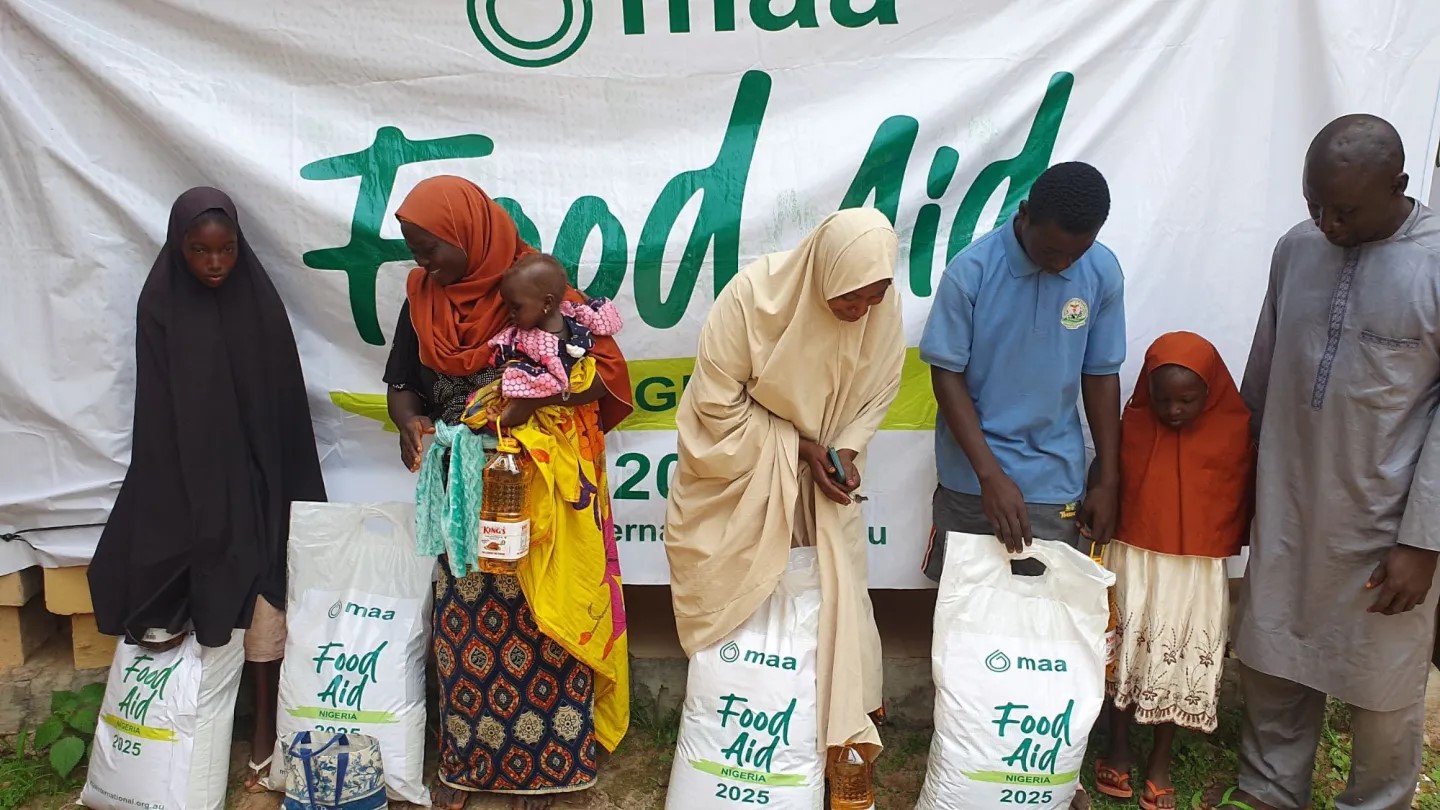
Hazras Charity Foundation (HCF), with the generous support of Muslims Aid Australia (MAA), successfully implemented a Food Aid Project aimed at alleviating hunger and hardship among vulnerable families in Nigeria. The initiative was designed in line with the Sustainable Development Goals (SDG 2 – Zero Hunger) and our shared commitment to supporting communities in times of need.
2. Objectives
The project sought to:
- Provide immediate food relief to vulnerable households.
- Reduce the burden of hunger and malnutrition among families, especially women, children, and the elderly.
- Promote solidarity and humanitarian support during a critical period of economic hardship.
3. Beneficiaries Reached
- Target Group:
- Total Beneficiaries: 800 households (approx. 4,800 individuals).
- Geographical Coverage: Bida, Mokwa Local Government Areas in Niger State.
- Vulnerable households including widows, orphans, internally displaced persons (IDPs), and low-income families.
4. Activities Carried Out
>- Stakeholder Engagement: Meetings were held with local leaders, government representatives, and community-based organizations to ensure transparency and inclusiveness.
- Procurement & Packaging: Food items (rice, beans, maize flour, vegetable oil, and other essentials) were procured locally and packaged into family-sized food packs.
- Distribution Exercise: HCF volunteers and staff coordinated a transparent distribution process, ensuring priority was given to the most vulnerable. Beneficiaries were verified through registration lists and identification processes.
- Monitoring & Documentation: On-site monitoring was conducted with photos, beneficiary feedback, and records kept for accountability.
5. Outcomes & Impact
- Immediate hunger relief provided to 800 families.
- Strengthened community trust in both HCF and MAA as reliable humanitarian partners.
- Improved morale among vulnerable households who expressed deep gratitude for the timely support.
Beneficiary Testimony: “This food came at a time when my family had nothing left to eat. May Allah bless Hazras Charity Foundation and Muslims Aid Australia for remembering us.” – A widow from Mokwa, Niger State.
6. Challenges
- High demand from non-registered families due to widespread poverty.
- Rising transportation costs affected logistics.
- Need for sustained interventions beyond one-time food distribution.
6. Challenges
- Future projects should consider expanding coverage to reach more families.
- Integrate livelihood support (skills training, small business grants) alongside food aid for long-term impact.
- Strengthen collaboration with local authorities for smoother logistics.
7. Conclusion
The Food Aid Project was a success, bringing hope and relief to 800 households (approx. 4,800 individuals) across Mokwa, Niger State. Hazras Charity Foundation remains committed to transparency, accountability, and service to humanity. We extend our heartfelt gratitude to Muslims Aid Australia for their unwavering support in making this intervention possible.
9. Acknowledgements
We thank:
- Muslims Aid Australia (MAA)for funding and partnership.
- Niger State Government & Local Leadersfor guidance and support.
- HCF Staff & Volunteersfor their dedication in delivering this project successfully.